Complete Guide
Utah Bass Fishing
From the rocky shorelines of Jordanelle to the warm shallows of Utah Lake — everything you need to find and catch largemouth and smallmouth bass across the state.
In This Guide
Why Fish Utah for Bass?
Utah punches well above its weight as a bass fishing destination. While it lacks the headline lakes of the Deep South, it offers something rare: clear, high-altitude reservoirs with minimal pressure, spectacular scenery, and bass that fight harder than anywhere you've fished.
The state's reservoirs were built primarily for irrigation and municipal water supply, but their deep clear water, rocky structure, and healthy forage bases have created ideal habitat for both largemouth and smallmouth bass. You can often find yourself on a 5,000-acre lake with no other anglers in sight.
Utah bass fishing also benefits from a short, intense season. The cold winters and warm summers compress the feeding windows, meaning when the bite is on — it is really on. Spring spawning activity, summer topwater blowups, and fall pre-spawn feeding frenzies all happen within a relatively tight calendar window that rewards anglers who are prepared.
Bass Species in Utah
Largemouth Bass
The most abundant bass in Utah, largemouth thrive in the warmer, shallower water of reservoirs like Utah Lake and Deer Creek. They favor vegetation, submerged timber, and rocky coves. Most Utah largemouth run 1–3 lbs, with fish over 5 lbs considered a trophy. The state record is over 10 lbs.
Smallmouth Bass
Utah's smallmouth population is the hidden gem of the state's fishery. Found in clear, rocky reservoirs like Jordanelle, Strawberry, and sections of the Colorado River system, smallmouth here are pound-for-pound among the hardest fighters you'll encounter. A 3-lb Utah smallmouth will feel like a 5-lb largemouth.
Best Times to Fish
- Bass move shallow as water temps reach 58°F+
- Pre-spawn feeding is aggressive — fish fast with crankbaits
- Spawn peaks late May at lower elevations, mid-June at higher reservoirs
- Post-spawn fish suspend on first major drop-offs
- Early morning topwater (5–8am) is the prime window
- Fish deeper structure (15–25ft) midday
- Night fishing with dark-colored lures can be exceptional
- Shad-pattern swimbaits at depth work well
- Bass bulk up aggressively ahead of winter
- Follow baitfish schools to find feeding fish
- Lipless crankbaits and chatterbaits cover water fast
- Best numbers and average size of the year
- Bass become lethargic but will still bite on warm days
- Fish slow — finesse jigs and drop shots at depth
- The warmest part of the day (noon–3pm) is your best window
- Lower elevations like Utah Lake fish better than higher reservoirs
Top Utah Bass Lakes
Full Rankings
Utah · reservoir
Deer Creek Reservoir

Utah · reservoir
Flaming Gorge Reservoir

Utah · reservoir
Jordanelle Reservoir

Utah · reservoir
Lake Powell

Utah · lake
Pelican Lake

Utah · reservoir
Sand Hollow Reservoir

Utah · natural
Utah Lake
Techniques That Work in Utah
Adapt to Clear Water
Many Utah reservoirs sit at elevation and receive cold, clear snowmelt. Bass in clear water are leader-shy and easily spooked. Drop down to 8–10 lb fluorocarbon, use natural colors (green pumpkin, watermelon, shad patterns), and make longer casts. The fish can see your lure from a long distance — use that to your advantage with subtle presentations.
Work the Rocky Structure
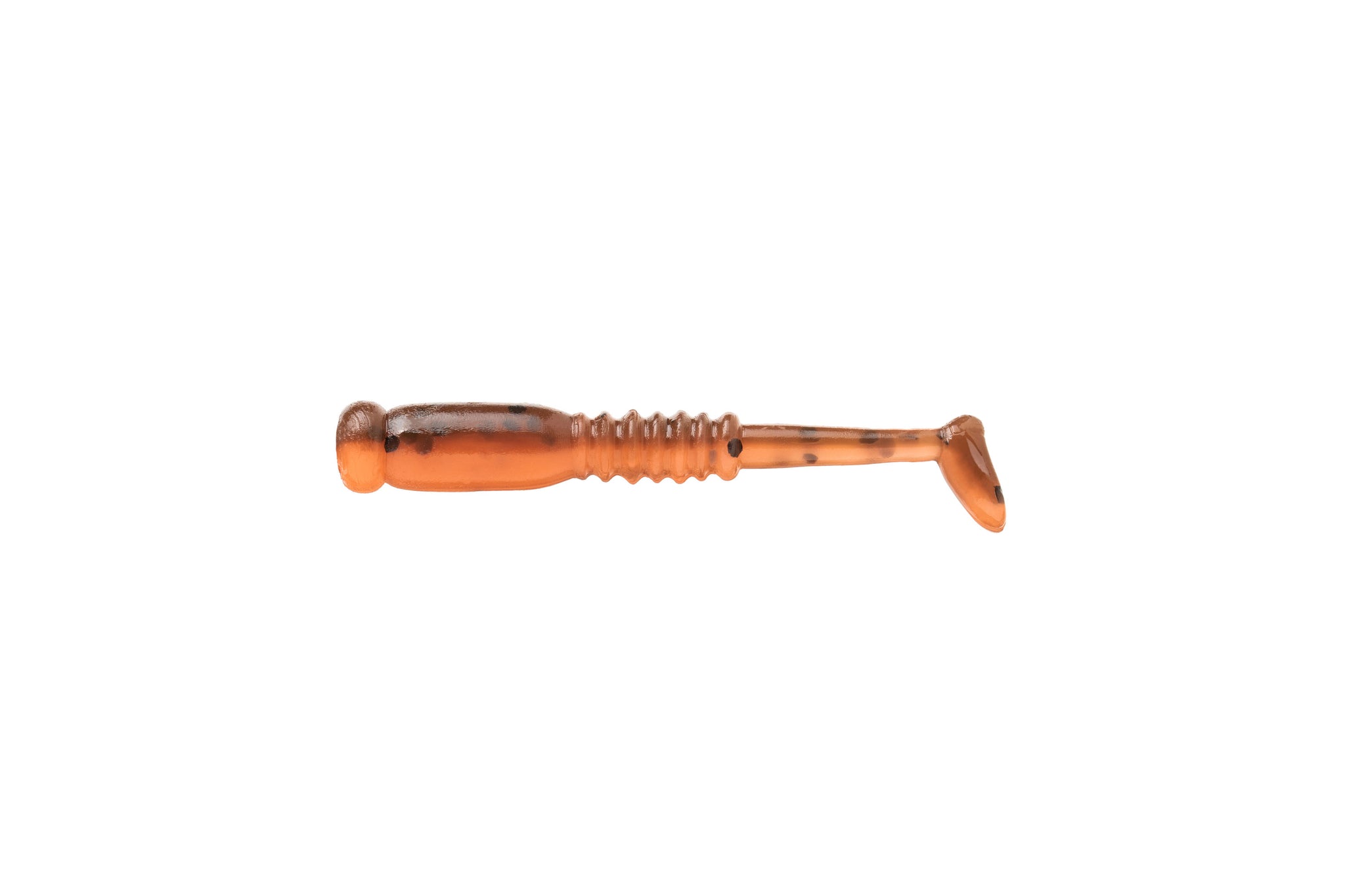
Utah's reservoirs are rimmed with rocky points, ledges, and riprap. Smallmouth in particular stack on these structures year-round. A tube jig or drop-shot rigged with a finesse worm worked slowly along a rocky point at 8–20 feet is one of the most reliable presentations in the state.
Understand Elevation & Water Temperature
Water temperatures in Utah reservoirs vary dramatically by elevation. Jordanelle at 6,100 ft runs 4–6 weeks behind Utah Lake at 4,489 ft. When bass are spawning at Utah Lake in early May, Jordanelle bass may still be pre-spawn. Plan your trips around elevation as much as season, and always check current water temps before heading out.
Fish Wind-Blown Shores
Utah's reservoirs are subject to strong afternoon winds. Rather than hiding from the wind, use it. Wind pushes plankton, which pushes baitfish, which brings bass. Windward banks — particularly rocky or vegetated points — often hold the most active fish during windy conditions.
Recent Utah Bass Reports
All ReportsGear Recommendations
Products tested by our team on Utah waters.
Affiliate Disclosure: This page contains affiliate links. If you purchase through these links, we may earn a small commission at no extra cost to you. We only recommend products we genuinely believe in.
Frequently Asked Questions
What is the best time of year for bass fishing in Utah?
Late spring (May–June) is the prime window when bass move into the shallows to spawn. Water temps between 58–68°F trigger aggressive topwater feeding. Fall (September–October) is a close second as bass bulk up before winter.
Do I need a fishing license to bass fish in Utah?
Yes. Utah residents and non-residents both need a valid Utah fishing license. Annual licenses are available from the Utah Division of Wildlife Resources (UDWR) online or at most sporting goods stores.
Which Utah lakes are best for beginner bass anglers?
Utah Lake and Deer Creek Reservoir are excellent for beginners — both have good public access, decent bass populations, and shallow areas that are easy to fish from shore or a kayak.
What are the bass size and bag limits in Utah?
Regulations vary by water body. Most Utah lakes follow a statewide limit of 6 largemouth or smallmouth bass combined per day. Always check the current UDWR fishing proclamation before heading out, as some reservoirs have special regulations.
What are the best lures for Utah bass?
Soft plastic stick baits (Senkos) and Texas-rigged worms are year-round producers. In spring, jigs and swimbaits work well along rocky points. Summer topwater (poppers, frogs) can be explosive early morning. In fall, lipless crankbaits and chatterbaits cover water fast.
Continue Your Research
Get Utah Fishing Reports in Your Inbox
Weekly conditions, seasonal tips, and lake updates from anglers who fish Utah every week.